Which Sandblasting Service is Right for You?
Selecting the appropriate surface preparation strategy requires a thorough evaluation of technical variables to ensure superior restoration, maintenance, and coating adhesion across commercial, industrial, and residential applications. Identifying the unique structural characteristics of your substrate helps determine which professional sandblasting service will deliver the precise profile height, surface cleanliness grade, and long-term material durability needed for demanding environmental exposures. Factors such as substrate tensile strength, initial corrosion severity, existing paint thickness, and surrounding job site parameters all dictate the ultimate success of an abrasive blasting project.
Understanding how different abrasive media, nozzle velocity metrics, pneumatic pressure settings, and environmental containment protocols interact allows project managers, engineers, and facility owners to make highly informed capital investments. By carefully weighing these operational factors alongside regulatory compliance standards, organizations can guarantee that their surface treatment operations remain remarkably efficient, workplace-safe, and fully compliant with modern environmental protection guidelines. Detailed pre-job planning reduces operational downtime, mitigates structural damage risks, and optimizes resource allocation across both routine maintenance schedules and extensive facility overhauls.
Understanding Core Sandblasting Fundamentals
Abrasive media selection directly influences kinetic impact energy, material erosion velocity, and final anchor profile consistency across various metallic and non-metallic surfaces. Traditional media options like aluminum oxide, glass beads, garnet, and crushed glass possess unique Mohs hardness ratings, angular geometries, and bulk densities that govern how effectively they sheer away heavy corrosion or existing paint coatings without deforming the underlying base metal. Choosing an overly aggressive medium risks pitting or warping thin-gauge metals, whereas selecting an overly friable medium results in excessive dust creation, low cleaning efficiency, and higher overall media consumption rates.
Different sandblasting pressure types penetrate to different depths of cleaning, according to Fixr, ranging between 1/32" to 3/8", enabling versatile applications depending on the project requirements. The fundamental principles of sandblasting involve understanding the machinery or setup, media type, and appropriate pressure settings, all of which offer specific advantages based on desired outcomes. Balancing air volume measured in cubic feet per minute with nozzle pressure measured in pounds per square inch ensures the abrasive stream strikes the target area with sufficient force to achieve standardized surface preparation levels such as NACE or SSPC cleanliness specifications.
Comparing Wet and Dry Processing Methods
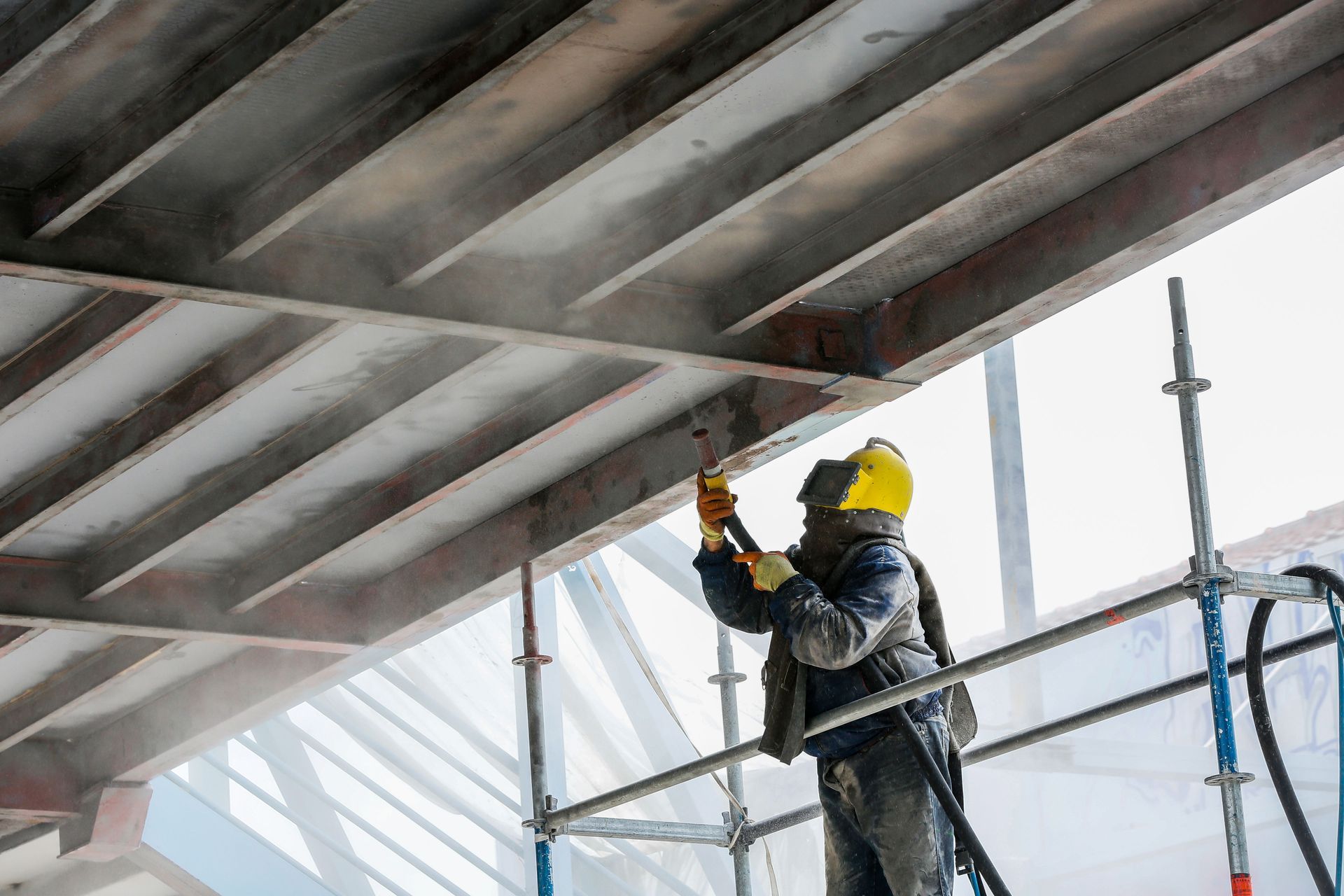
Dry abrasive blasting relies on high-velocity compressed air streams to accelerate granular media through hard-alloy nozzles, stripping rust, heavy mill scale, and aged industrial coatings away from durable steel structures. This traditional execution model offers high processing speed, immediate surface drying, and exceptional profile creation across vast industrial assets such as storage tanks, structural girders, and heavy maritime equipment. However, dry operations produce substantial airborne particulate clouds and friction heat, requiring sealed containment enclosures, negative-pressure dust collection machinery, and extensive personal protective equipment for operating crews working within the immediate blast zone.
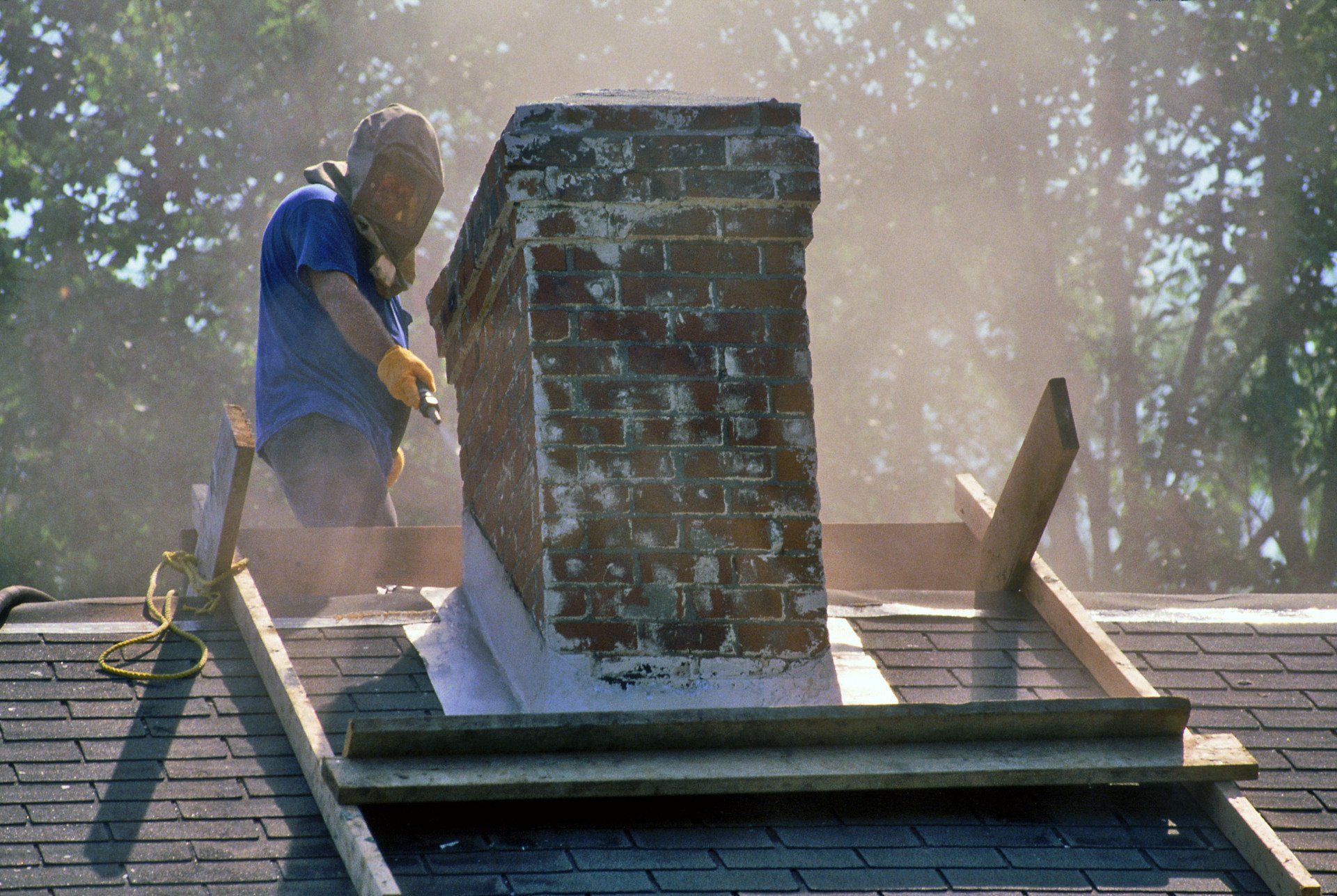
Integrating water vapor or liquid injection directly into the compressed air and media stream significantly suppresses airborne particulate matter while simultaneously dampening localized friction heating on sensitive metallic substrates. Utilizing a specialized wet sandblasting service reduces fugitive dust emissions by up to ninety percent, making it an outstanding choice for historic brick masonry, densely populated urban job sites, or active industrial facilities where airborne dust could contaminate adjacent mechanical equipment or HVAC systems. Furthermore, liquid-assisted blasting reduces spark potential in hazardous chemical environments, though operators must carefully incorporate rust-inhibiting wash solutions to prevent immediate flash rusting on freshly exposed ferrous metals.
Evaluating Quality Professional Operators
Selecting an experienced surface preparation contractor requires rigorous verification of industry accreditations, formal safety training regimens, and comprehensive commercial liability insurance before any equipment is mobilized to the job site. Qualified technical teams perform extensive initial substrate evaluations, relative humidity assessments, and surface contaminant testing to recommend ideal blast media, optimal pressure ranges, and customized containment structures. Thorough contractor vetting ensures the field crew understands specialized techniques, such as adjusting blast angles to avoid embedding contaminants or selecting softer media to clean historic architectural features without removing fine masonry detail.
Reviewing past project case studies, client references, and third-party safety metrics provides clear, verifiable proof of operational competence and field execution reliability. Hiring a reputable sandblasting service ensures complete adherence to international surface preparation standards, precise anchor profile measurements, and thorough post-blast cleanup procedures that guarantee maximum chemical bonding for subsequent paint or protective lining systems. Professional operators also possess specialized diagnostic equipment to measure surface profile depths and verify that soluble salt levels remain well below acceptable thresholds prior to primer application.
Mitigating Health and Environmental Factors
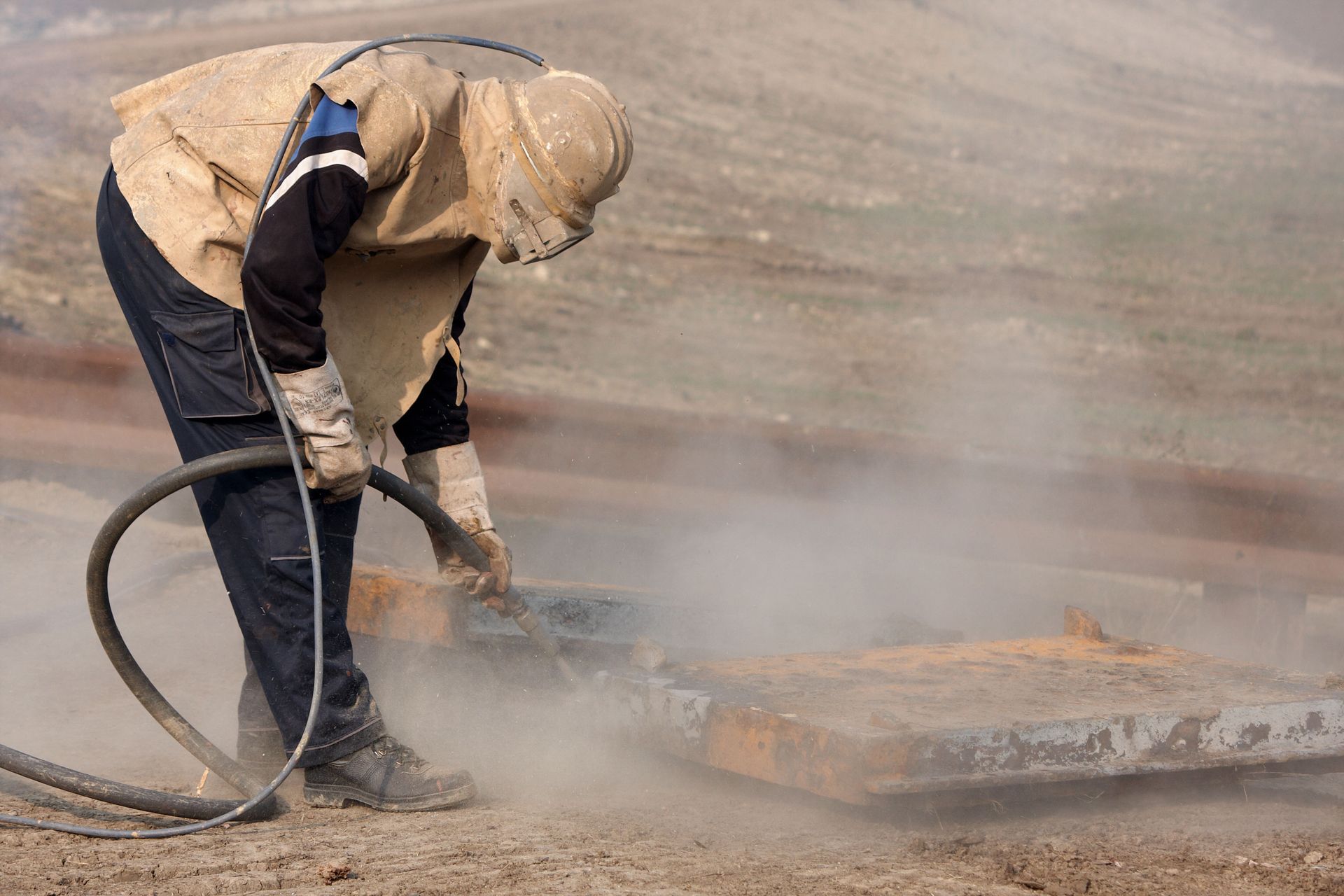
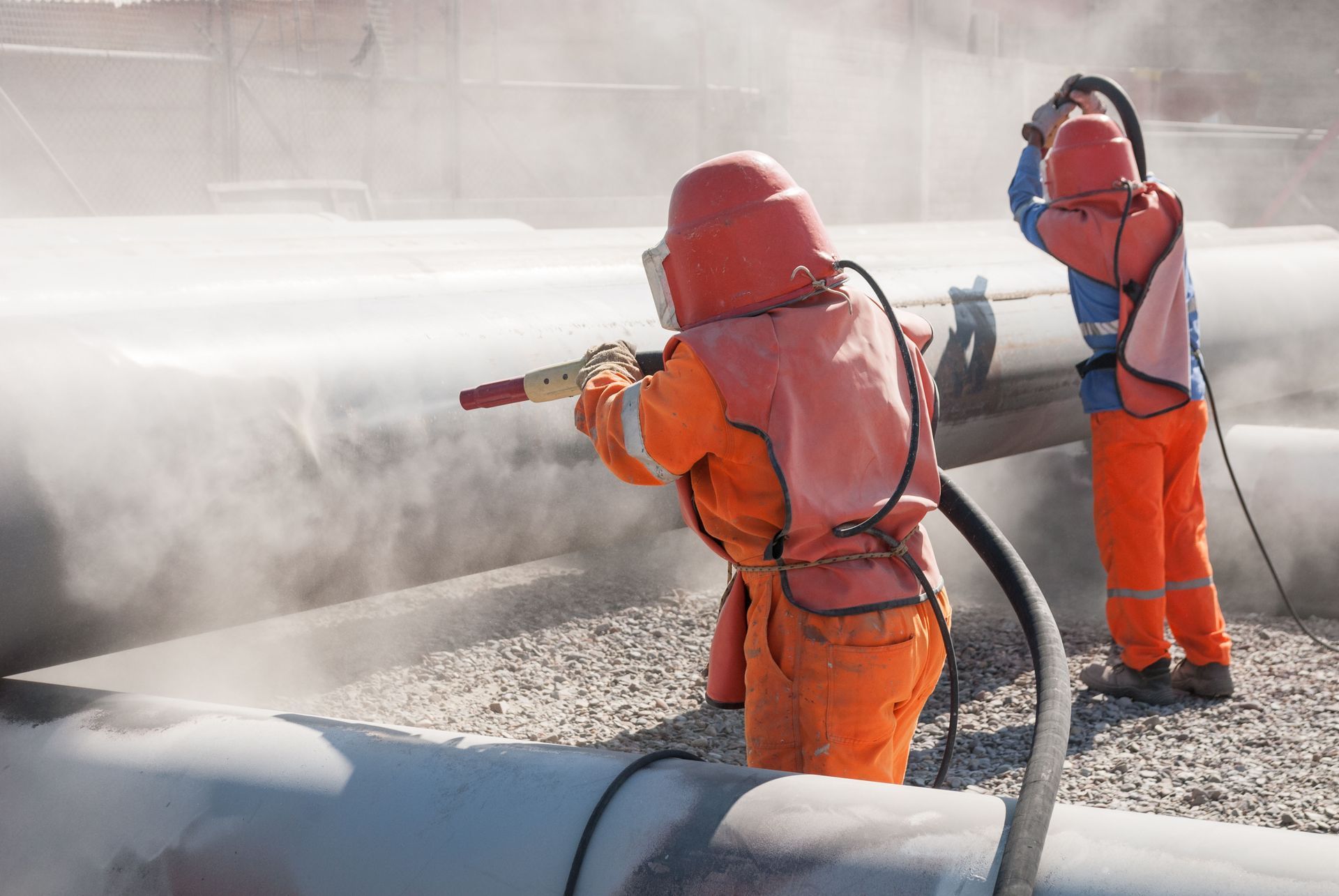
High-pressure abrasive blasting generates significant sound pressure levels and hazardous respirable dust particulates, demanding stringent safety management frameworks to safeguard field personnel and adjacent properties. Industrial blasting zones must be strictly controlled using heavy-duty tarpaulins, mobile environmental containment units, and dedicated negative-pressure HEPA air scrubbing units to capture fine dust before it can escape into surrounding neighborhoods. Workers within the immediate operation zone rely on continuous-flow supplied-air respirators, durable blast suits, impact-resistant face shields, and heavy leather gloves to prevent mechanical abrasion injuries and prolonged airborne particle exposure.
Compliance with environmental health mandates necessitates systematic recovery, testing, and safe disposal of spent media mixed with pulverized surface coatings that may contain toxic heavy metals like lead, chromium, or synthetic resins. Partnering with an environmentally compliant sandblasting service guarantees that all waste streams are properly contained at the source, sampled for hazardous toxicity characteristics, and transported to certified disposal or recycling facilities in full accordance with local, state, and federal environmental laws. Proactive waste management minimizes corporate liability, protects local groundwater resources, and fosters safe workplace conditions throughout the project lifecycle.
Tracking Technological Surface Treatment Innovations
Modern surface treatment technology is undergoing a major evolution through the integration of digital pressure sensors, automated blast cabinets, and programmable robotic nozzle manipulators that deliver unmatched cleaning consistency. These automated systems maintain precise stand-off distances, consistent blast angles, and uniform traverse speeds across broad flat surfaces or complex pipe geometries, virtually eliminating human error and material over-blasting. By optimizing media consumption and maintaining exact speed parameters, advanced robotic systems significantly cut job completion times, conserve raw media materials, and minimize physical fatigue for human field operators.
Eco-conscious media developments, including agricultural byproducts like crushed walnut shells or corn cobs, as well as high-durability recycled glass, continue to gain significant traction within sustainable building and maintenance programs. Engaging an eco-friendly sandblasting service allows commercial enterprises, marine operators, and municipal entities to reduce their overall environmental footprint while maintaining exceptional surface cleanliness and anchor profile standards. Continued research into closed-loop media recycling systems and high-efficiency pneumatic compressors further drives down energy usage, making modern surface preparation cleaner, faster, and more sustainable than ever before.
Elevating Your Surface Restoration Outcomes
Working alongside certified surface preparation professionals ensures that your heavy machinery, commercial structures, storage tanks, or architectural stonework receive customized treatment using state-of-the-art equipment and field-tested methodologies. Expert contractors bring deep technical knowledge, safety compliance, and quality control protocols that shield underlying base materials from structural warping, media encapsulation, or premature coating failure. Investing in proper surface preparation ultimately safeguards your long-term capital investments, ensures seamless paint adhesion, and dramatically lowers ongoing maintenance expenditures over the operational life of the asset.
Choosing the right surface preparation partner is the single most critical decision in extending asset longevity, preventing corrosive degradation, and achieving flawless finish quality on any restoration project. High-grade surface treatments preserve original material integrity, eliminate hidden oxidation, and prepare structures to withstand harsh weather exposures or heavy industrial use. Contact Morris Painting & Blasting today to speak with our technical team, schedule a comprehensive on-site surface inspection, and receive a detailed, custom estimate for your upcoming professional sandblasting service project.


Share On: